
Energy Audit

Tips
Audit énergétique

An energy audit is a key component of Mandatory Real Estate Inspections, thereby contributing to the value and sustainability of real estate. 

What is an energy audit?

Our real estate agency in Paris's 16th arrondissement, our CENTURY 21 Auteuil Immobilier and Auteuil Seine offices are here to help you understand energy audits.

What is the purpose of an energy audit?

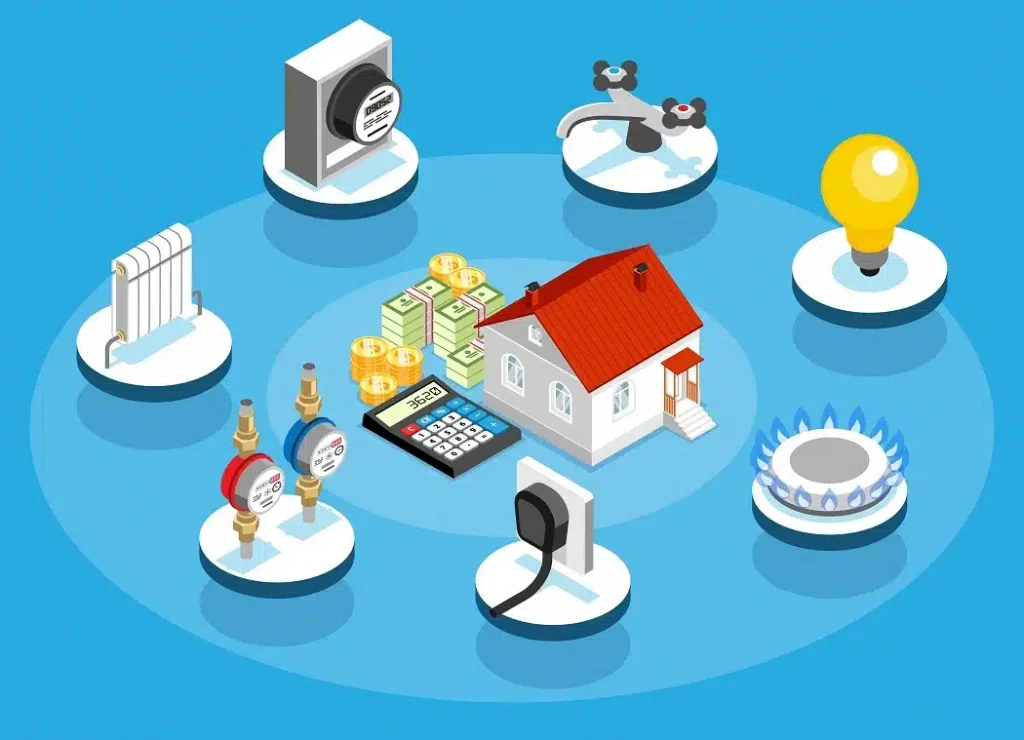
L’energy audit complements the Energy Performance Certificate (EPC). This document is intended to assess a building’s energy performance by identifying the weaknesses in terms of energy consumption. It helps provide solutions to improve energy efficiency, reduce greenhouse gas emissions, and reduce energy costs

This audit is part of an energy-efficient renovation initiative aimed at optimizing the heating, cooling, ventilation, and domestic hot water systems.

Which buildings are required to undergo an energy audit?

Energy audits cover several types of buildings, including:

  • The lCondominium units more than 50 units equipped with central heating.
  • Commercial buildings larger than 1,000 m².
  • Public buildings.

Since September 1, 2022, the Energy audits are mandatory for homeowners who wish to sell homes rated F or G on the energy performance certificate. This measure applies to energy-inefficient homes and is intended to encourage energy-efficiency renovations. 

Good to know: This requirement will be extended to homes rated E (effective January 1, 2025) and to homes rated D (effective January 1, 2034).

Who is required to conduct an energy audit?

The energy audit must be conducted by a qualified professional. This could be a licensed architect, an architectural firm, or a certified real estate inspector.

Good to know: The selected auditor may not subcontract the performance of the audit.

What does an energy auditor do?

The auditor begins by gathering all the necessary information about the building. This includes the plans, the energy bills, the features equipment heating, cooling, ventilation, and domestic hot water production, as well as the condition of the insulation.

The auditor then conducts a detailed site visit to directly inspect the facilities, check the condition of the equipment and structures, and identify potential sources of energy loss. This visual inspection allows us to supplement theoretical data with practical observations. 

Using the information gathered and the on-site measurements taken, he analyzes the building's energy consumption. Based on this analysis, the auditor formulates recommendations to improve energy efficiency construction.

Where can I find an energy auditor?

To find a energy auditor, you can consult online directories of certified professionals, such as the one provided by France Rénov’. You can also contact your local Chamber of Commerce and Industry, or inquire with theArchitects' Association for recommendations.


What should an energy audit include?

An energy audit must include several essential elements:

  • A detailed analysis of the energy consumption current state of the building.
  • Some recommendations regarding the work to be done.
  • A energy performance estimate of the building once the work is completed.
  • A cost estimate for the work as well as an overview of the financial assistance available to fund them.
  • A Assessment of the Impact of the Construction Work on indoor air quality and building ventilation.

What should be done in the event of technical obstacles or disproportionate costs?

When an energy audit reveals technical obstacles or disproportionate costs, several solutions are possible:

  • Search for financial aid : There are various programs available to provide financial support for energy-efficiency renovations, such as Energy Savings Certificates (CEE) and grants from the ANAH (National Housing Agency).
  • Plan the work in stages : Implementing improvements in several phases can help manage costs more effectively.
  • Prioritize actions : Focus first on the projects that offer the greatest energy savings.

What form does the energy audit take?

The energy audit takes the form of a detailed report. This document includes charts, tables, and clear explanations to help readers understand the recommendations. It serves as Guide to Planning Construction Work energy-efficiency renovations and track improvements in energy performance over time.

How long is an energy audit valid?

The validity period of an energy audit is 5 years.

How much does an energy audit cost?

The cost of an energy audit is not regulated, and may vary from one professional to another. Several factors influence the rate, such as the size and complexity of the building.

Did you know? The cost of the energy audit may be covered by certain financial assistance programs, such as MaPrimeRénov’, a subsidy designed to encourage energy-efficiency renovations, available to those who meet certain income requirements.

How can our CENTURY 21 Auteuil and Auteuil Seine offices assist you?

Our team is here to answer any questions you may have about your real estate projects—whether you’re selling, buying, or managing rental properties. We’ll guide you through all the steps involved in energy audits, connect you with certified auditors, and help you understand the recommendations to optimize the energy efficiency of your property.

Please feel free to contact our two real estate agencies CENTURY 21 Auteuil Immobilier and CENTURY 21 Auteuil Seine by phone at 01 42 15 16 21 or 01 56 07 16 21, or by email at auteuil@century21.fr or auteuilseine@century21.fr.

You can now prioritize the display of our articles in Google search results, and follow real estate news from the 16th arrondissement via CENTURY 21 Auteuil.

Add as a favorite source