What are the mandatory real estate inspections?
Our real estate agency in Paris's 16th arrondissement, our CENTURY 21 offices Auteuil Immobilier and Auteuil Seine explain the main mandatory inspections that must be conducted during a real estate transaction.
Real Estate Inspection: What Is It?
When selling or renting a property, you are required to conduct a technical inspection of your property to avoid any potential hidden defects and, above all, to inform the buyer or tenant about certain aspects of the apartment, house, or parking space they wish to purchase or rent.
To do this, you must contact a certified professional inspector who will conduct a technical inspection of your property. This involves having your home undergo a technical inspection, during which it will be evaluated based on its type and year of construction in accordance with technical standards and the following criteria:
Energy Audit or Energy Performance Assessment (EPA)
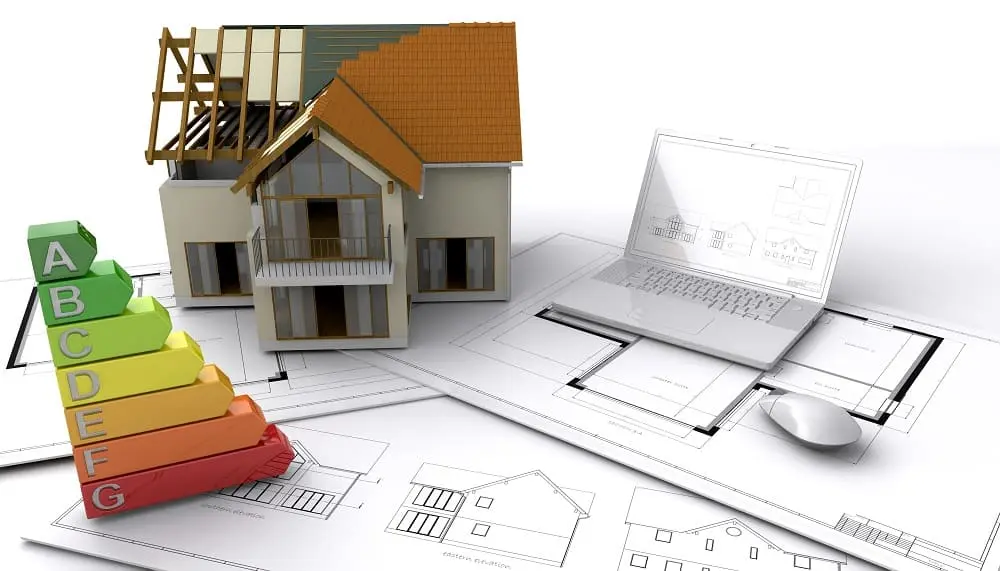
The Energy Performance Assessment is a measurement tool that assesses a home’s energy consumption and greenhouse gas emissions using a rating scale ranging from “A”—highly energy-efficient home—to “G”—energy-inefficient home.
This assessment provides buyers with essential information about the property’s estimated energy costs and carbon footprint.
According to the Climate and Resilience Act, you must provide a energy audit which is a more comprehensive document than the Energy Performance Certificate (EPC) required when selling a property rated F or G; its purpose is to eliminate energy-inefficient buildings by requiring sellers to assess the renovation work needed and the corresponding budget.
With regard to rentals, for housing units with an energy performance label of “G,” if the annual primary energy consumption exceeds 450 kWh/m², they may not be rented out.
Lead Exposure Risk Assessment (CREP)
Lead was commonly used in paint before it was banned due to its toxic effects, particularly on young children. The Lead Exposure Risk Assessment (CREP) is required for homes built before 1949 and is intended to detect the presence of lead in paint.
The validity period of this assessment (if lead is present) is 1 year for a sale, 6 years for a rental, and unlimited if the lead concentration is below the regulatory threshold.
Asbestos Inspection
Asbestos is a hazardous material that was used in construction before it was banned due to its carcinogenic effects. The asbestos assessment aims to detect the presence of this material in buildings constructed before 1997.
If people are present, appropriate measures must be taken to ensure their safety.
If the assessment is positive, it remains valid for 1 year for a sale and 6 years for a lease; if it is negative, it is valid indefinitely.
Inspection for Termites and Other Wood-Destroying Insects
Termites can cause significant structural damage to buildings by eating away at the wood. The Diagnosis of termites and other wood-destroying insects is mandatory in areas where their presence has been confirmed. It is intended to detect any current or past infestation.
This diagnosis is valid for 6 months and must be renewed if necessary.
Gas Inspection or Inspection of the Condition of the Indoor Gas System and Electrical Inspection
The gas inspection and the electrical diagnosis assess whether gas and electrical installations comply with current safety standards. Their goal is to prevent household accidents related to these installations.
These inspections are valid for 3 years for a sale and 6 years for a rental.